
Deep Plane Facelift in Thailand: Is It Right for You? The Truth Behind TikTok Trends
Deep plane facelift Thailand has become a sought-after cosmetic surgery procedure, often heralded as the epitome of facial rejuvenation. However, at our esteemed clinic, we advocate for a nuanced approach, recognising that each face is unique and requires tailored solutions. By exploring the differences between deep plane techniques, SMAS plication, and SMASectomy, we aim to dispel prevalent myths perpetuated by social media, guiding patients towards safe, effective, and anatomy-specific solutions that prioritise their well-being.

Understanding the Nuances of a Deep Plane Facelift Thailand Surgery
A Personalised Approach is Crucial
When considering a facelift in Thailand, it's important to understand that no single method is best for everyone. The deep plane facelift, often seen as the gold standard, isn't a magic solution. While it can provide dramatic results, it also involves deeper tissue dissection, potentially increasing the risk of complications such as nerve damage as noted in various resources.
The Role of Expertise in Facelift Surgery
Slimmer, more refined procedures like the SMAS facelift provide exceptional results with less invasive methods. This type of face surgery focuses on the Superficial Musculo Aponeurotic System and avoids some of the complexities of deep plane techniques, often reducing recovery time as detailed here. Ultimately, choosing the safest facelift technique depends on individual facial anatomy and the specific expertise of the surgeon. Opting for a patient-first approach ensures that each procedure is tailored to the individual's unique needs. This reduces misinformation commonly spread on social media and reinforces trust in specialised surgical care.
Facelift Techniques: Demystifying SMAS Plication, SMASectomy, and Deep Plane
Facelift procedures can be confusing, with terms like SMAS plication, SMASectomy, and deep plane often used interchangeably. However, these techniques have distinct differences that can impact the results and recovery process. Let's break them down:
Understanding SMAS Plication
SMAS plication involves the tightening of the Superficial Musculoaponeurotic System (SMAS) layer using sutures. This technique focuses on reducing sagging by securing the existing structure without the need for extensive dissection. It allows for a quicker recovery time and is often performed under local anaesthesia. This method can achieve stunning results, retaining facial expressions and ensuring a natural look while being less invasive.
Unpacking SMASectomy
SMASectomy entails the removal of excess SMAS tissue which can then be re-sutured. This procedure offers more lasting effects than plication due to its more permanent restructuring. It provides significant improvements in facial contours while still avoiding the deeper dissection associated with deep plane techniques.
Delving into Deep Plane Facelifts
The deep plane approach delves beneath the SMAS layer, releasing ligaments to reposition facial tissues comprehensively. Although it promises substantial, lasting outcomes, particularly for midface and neck areas, its complexity demands general anaesthesia and extended recovery times. Hence, it may not be the safest facelift technique for everyone. Understanding and deciding between SMAS facelift vs deep plane methods requires expert consultation, mindful of various anatomy-specific needs.
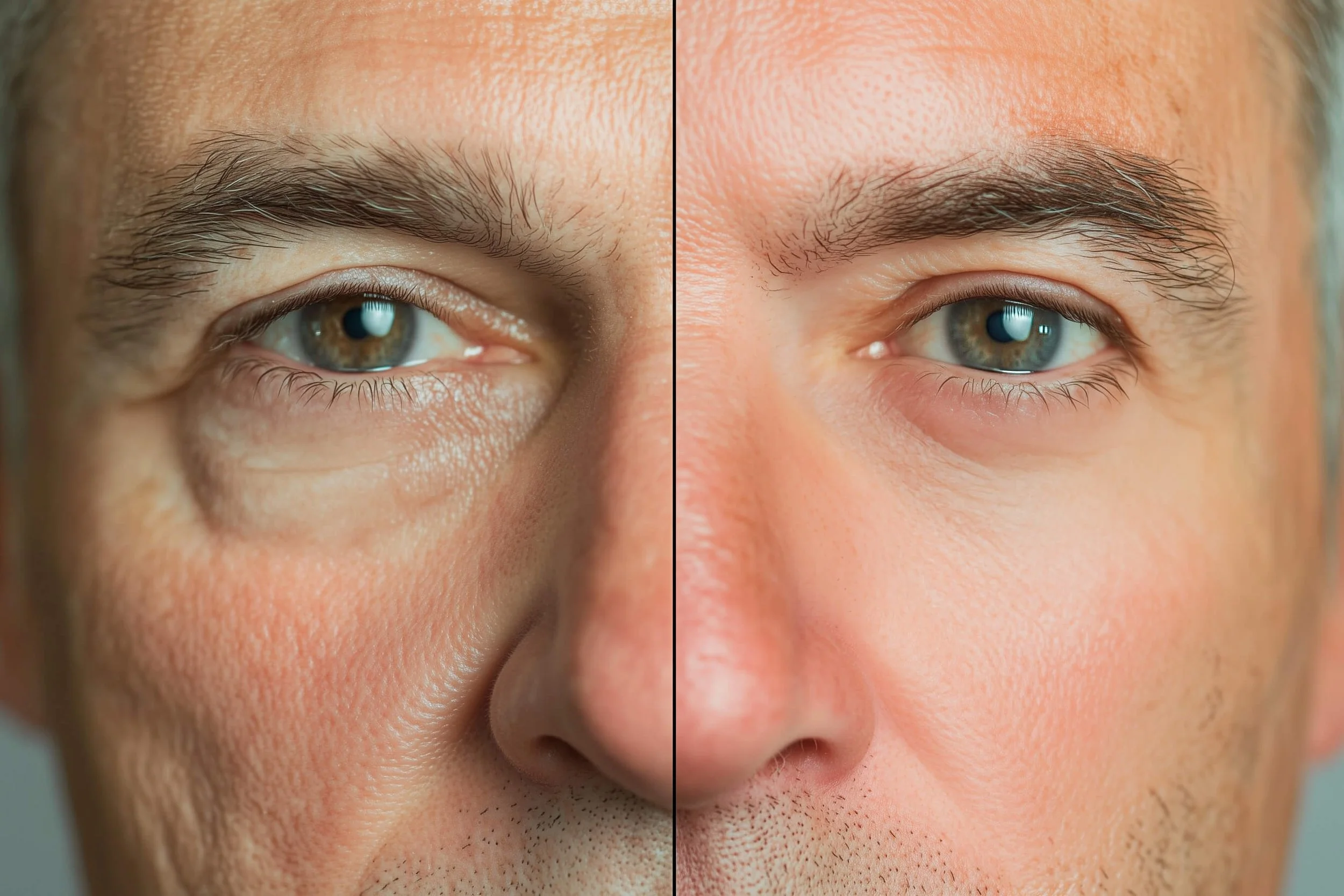
A Balanced Look at the Deep Plane Facelift: Innovative Technique or Overhyped Risk?
Understanding the Deep Plane Facelift
The deep plane facelift has garnered significant attention in recent years, often touted as the pinnacle of facelift surgery. However, it is crucial to assess whether it truly holds the crown or if other techniques, such as SMAS plication or SMASectomy, might offer comparable benefits with fewer risks. Despite the allure of this technique, the procedure is not always the safest facelift technique. Reports suggest that it comes with increased risks like facial nerve injuries and extended recovery times, which should not be taken lightly.
Evaluating Realistic Outcomes
There is a widespread notion, especially on social media, that the deep plane facelift guarantees superior and long-lasting facelift results. However, this claim lacks conclusive evidence. In fact, many experienced surgeons choose more traditional or less invasive methods, recognising that great results often stem from a personalised approach to types of facelift surgery. It’s essential for patients to carefully consider their own anatomy-specific needs, opting for solutions that align with their unique facial structure rather than succumbing to trends or misinformed online hype.
The Right Facial Rejuvenation: Tailoring Techniques to Your Needs
Understanding Different Techniques
When considering facial rejuvenation options, it is important to understand that not every face requires the deep plane facelift. While touted for its comprehensive approach, this technique may not always be the best or safest choice for everyone. The SMAS facelift, particularly the SMAS plication and SMASectomy, offers different levels of intervention by targeting superficial muscular layers.
Importance of Personalised Approach
Facelift results can vary greatly, and great outcomes often stem from less invasive methods when performed by skilled surgeons. It’s crucial for patients to explore types of facelift surgery that best suit their unique facial anatomy. Our clinic in Bangkok promotes a patient-first approach, ensuring every treatment plan is tailored to individual needs for optimal facelift results. Misinformation, especially from social media, can often exaggerate the benefits of certain techniques without considering personal factors.
Trust in Expertise
Selecting the safest facelift technique involves placing trust in a surgeon’s expertise and their ability to personalise procedures. Our Thailand-based practice is committed to offering informed, balanced interventions, stressing that the goal is achieving natural-looking rejuvenation safely, rather than merely opting for a deep plane facelift.
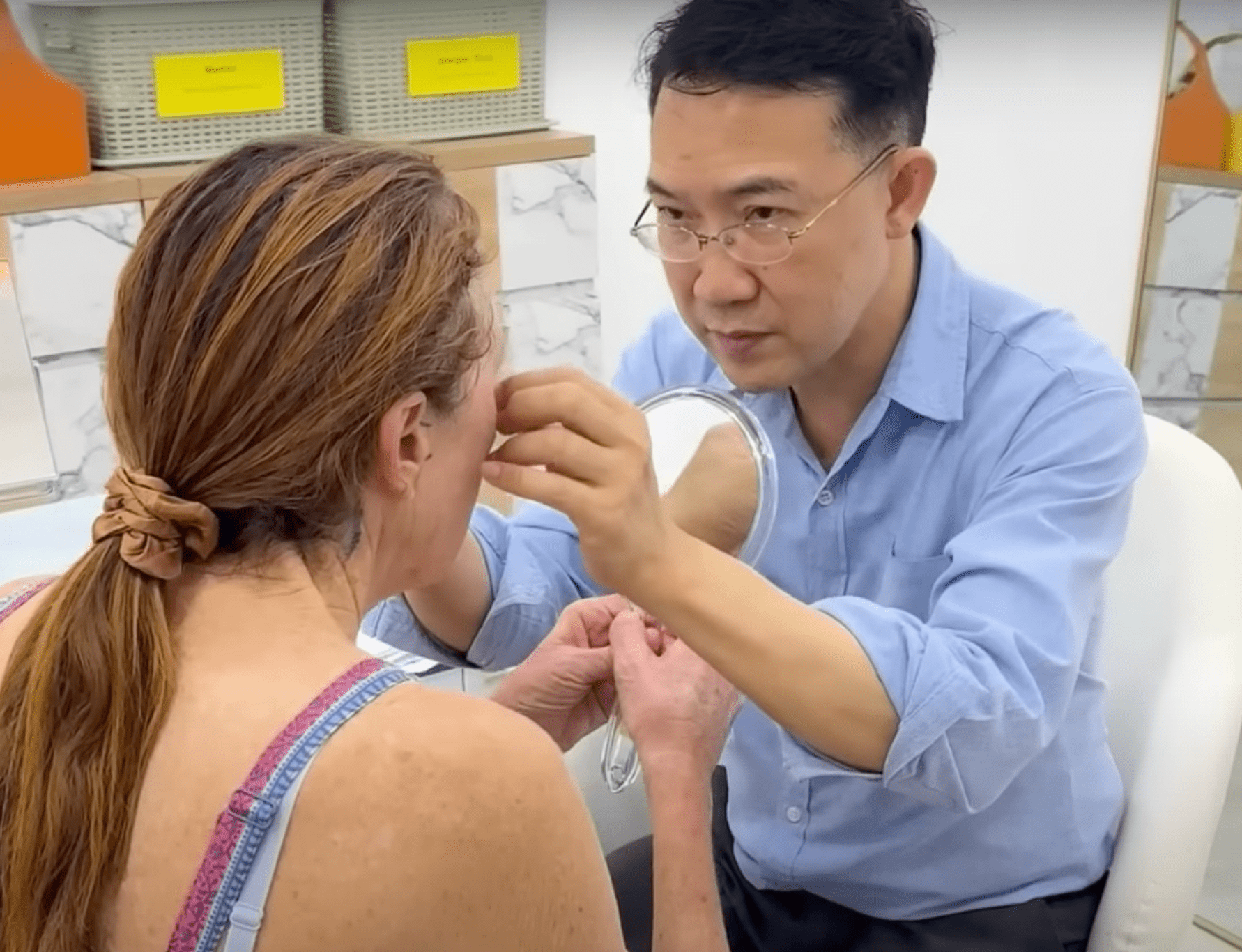
Rethinking the Facelift: Why Deeper Isn't Always Better
Understanding Facelift Techniques
In the realm of cosmetic surgery, it's essential to be informed about the various facelift techniques available. Deep plane facelifts in Thailand are often seen as the pinnacle of facial rejuvenation; however, they are not always the best or safest option for every individual. By precisely targeting deeper facial structures, this procedure promises natural results and longevity. Yet, its complex nature demands a surgeon with specific expertise, a longer recovery period, and it incurs higher costs as highlighted by Cangello Plastic Surgery.
Balanced Approaches: SMAS and Other Options
Alternatively, the SMAS facelift focuses on the Superficial Musculoaponeurotic System, offering effective lifting with a reduced recovery timeline. It's widely available with consistent results, making it suitable for moderate aging concerns. Additionally, SMAS plication offers a balanced approach by tightening the SMAS layer according to Levesque Plastic Surgery, providing satisfactory outcomes without the comprehensive invasiveness of deep plane procedures.
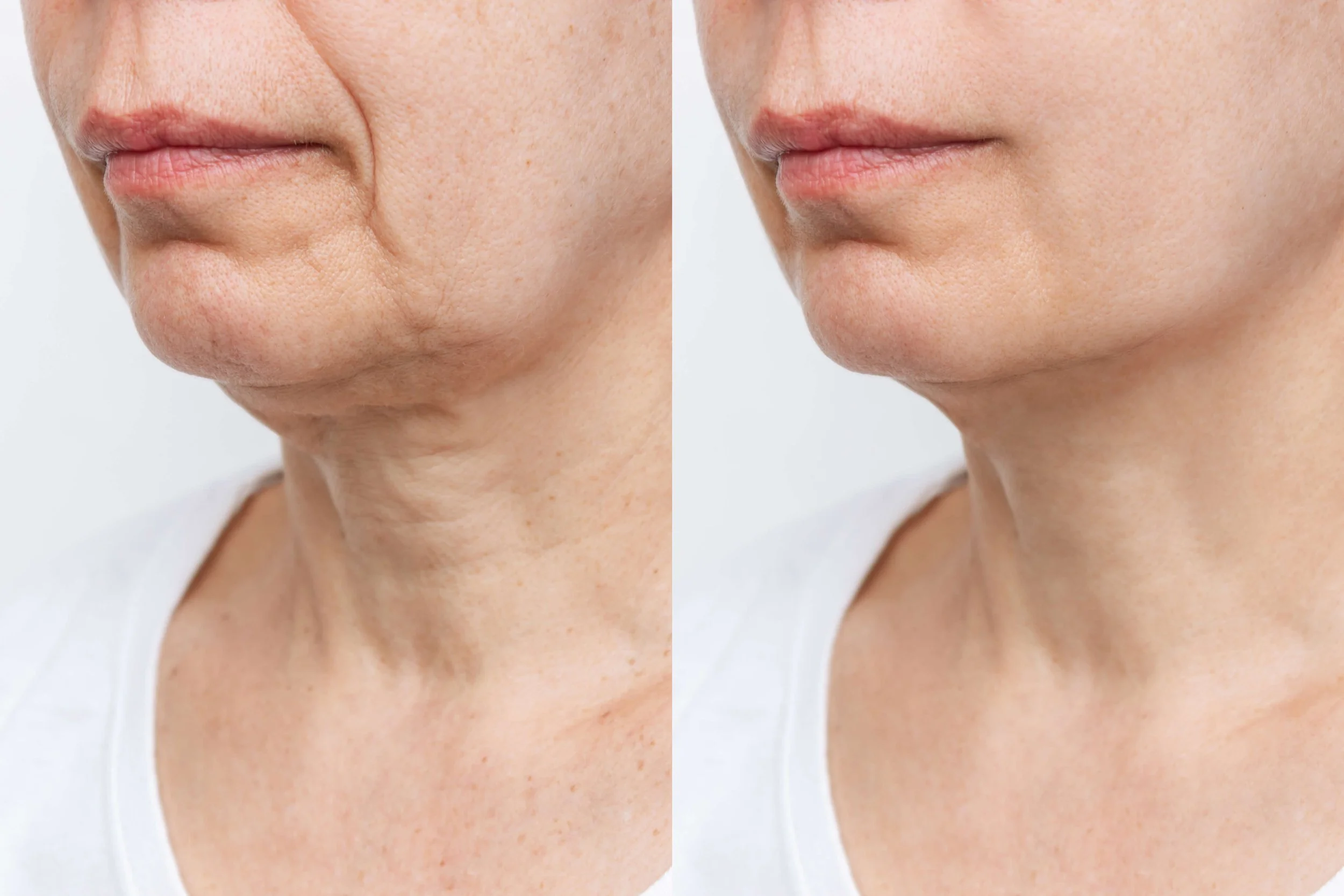
Misinformation and Patient-Centric Choices
Misinformation about facelift surgeries is rampant, particularly via social platforms. This can lead to misguided perceptions of what procedure is necessary or suitable. It's crucial to adopt a thoughtful, individualised plan where anatomy-specific approaches align with the patient's unique goals and lifestyle. Consulting a skilled, board-certified surgeon ensures that the chosen method focuses on the patient's particular needs rather than trends. This patient-first strategy fosters trust, ensuring facelift results in Bangkok remain the safest and most fulfilling choice.
Separating Surgical Realities from Facelifting Fads: Unmasking the Truth Behind TikTok Trends
The Hype Around Deep Plane Facelifts
In recent years, social media platforms like TikTok have turned surgical procedures into trending topics, with deep plane facelifts often positioned as the gold standard in anti-ageing surgery. However, it's crucial to approach these trends with caution. Deep plane facelifts involve a complex surgical technique that repositions the layers beneath the skin to deliver natural, long-lasting results. While visually compelling, the claims and transformations showcased can sometimes overshadow the very real considerations such as longer recovery times and the need for general anaesthesia.
Exploring Alternative Techniques
Contrary to the narrow focus on deep plane facelifts, other procedures like SMAS facelifts deserve attention too. A SMAS facelift, which can sometimes be performed under local anesthesia, involves tightening the superficial musculoaponeurotic system rather than the deeper structure involved in deep plane methods. For many patients, this less invasive option strikes a balance between achieving remarkable facelift results in Bangkok and maintaining safety according to experts.
A Cautious Approach
Ultimately, remember that the safest facelift technique is one tailored to your individual facial anatomy and health profile. No single method fits all, and misinformation can often cloud judgment. We stress the importance of a patient-first approach, grounded in medical expertise, to debunk myths and ensure informed decisions.
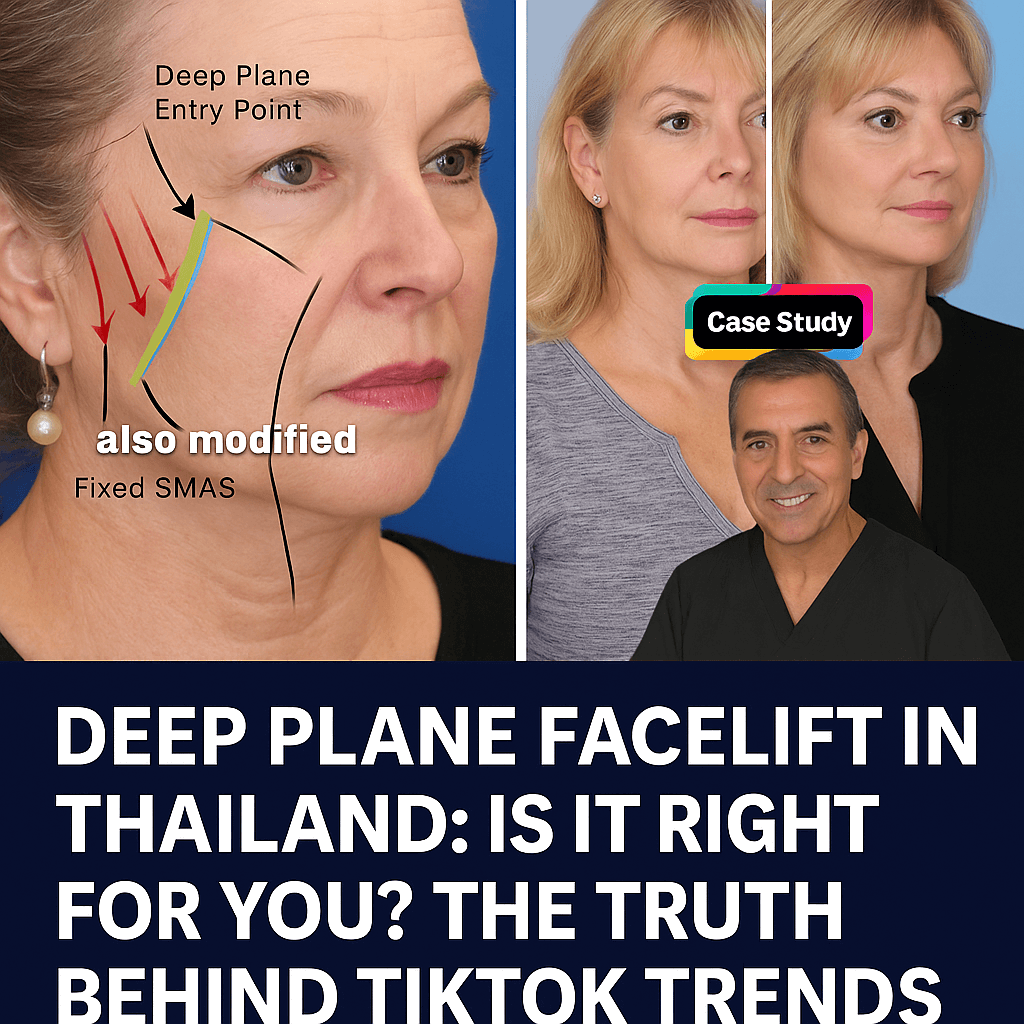
Facial Anatomy and Facelifts: Why Experience Matters More Than Technique
Understanding Facial Anatomy
At the core of any successful facelift procedure is a thorough understanding of facial anatomy. The face is a complex structure, composed of multiple layers, including skin, fat, and muscle, which are often addressed during facelift surgery. Each type of facelift surgery, whether it be a SMAS facelift vs deep plane or any other technique, involves manipulating these anatomical elements to achieve the best results. When considering a deep plane facelift in Thailand, it's critical to appreciate how a surgeon's familiarity with anatomy influences the outcome.
Technique vs. Experience
The choice between facelift techniques—like deep plane facelifts or SMAS (Superficial Muscular Aponeurotic System) methods—is important but secondary to the expertise of the surgeon. A well-performed SMASectomy or SMAS plication by a skilled professional can deliver exceptional facelift results. Bangkok is home to many renowned surgeons who, using a patient-first approach, tailor the safest facelift technique based on individual anatomy. Great outcomes come from surgical precision, not just the method itself.
Misinformation and Social Media
A major challenge of modern cosmetic surgery is countering misinformation, especially prevalent on social media. Often, the deep plane facelift is overhyped, depicted as the ultimate solution for all patients. This is far from the truth. Not every face benefits equally from a deep plane approach. It's essential to consult a knowledgeable surgeon to determine a suitable method, ensuring personalized care over popular trends.
Is a Deep Plane Facelift Worth the Hype? The Risks, Rewards, and Alternatives Explained
Understanding the Deep Plane Facelift
The deep plane facelift, a surgical procedure designed to rejuvenate the face, often garners attention for its dramatic and long-lasting results. By lifting the skin, muscle, and SMAS layer as one unit, it can provide a youthful, natural appearance without the "windswept" look associated with more superficial facelifts. However, this technique isn't universally appropriate. Potential risks such as nerve damage, longer recovery durations, and increased surgical complexity are critical considerations.
Exploring Alternatives
It is essential to evaluate less invasive options, which might offer comparable benefits with reduced risks. Techniques such as SMAS plication and SMASectomy, or even non-surgical alternatives like neurotoxins and fillers, can yield outstanding facelift results in Bangkok, especially when performed by a skilled surgeon. These methods address specific concerns effectively, ensuring a patient-first approach tailored to unique anatomical needs.
Facelift Techniques in Thailand: How Top Surgeons Tailor the Procedure to Your Anatomy
Understanding the Customised Approach
In Thailand, the art of facelift surgery transcends a simple one-size-fits-all philosophy. Our surgeons are adept at blending various techniques to enhance the natural beauty of each patient's unique facial structure. By meticulously assessing aspects such as skin elasticity, bone structure, and specific aesthetic desires, we ensure that the procedure aligns perfectly with individual anatomy, crafting outcomes as unique and vibrant as the individuals themselves.
Advanced Techniques and Technologies
Our focus on personalised care is bolstered by cutting-edge methods and tools. From the SMAS facelift to the highly regarded deep plane facelift, Thailand's surgeons expertly determine the safest facelift technique tailored precisely to your needs, while ensuring minimal scarring and seamless recovery. Such innovations support our guarantee of achieving refined and rejuvenated facelift results in Bangkok.
By prioritising a patient-first approach, we challenge the overhyped notions surrounding deep plane facelifts. We advocate for informed decisions rooted in transparency and expertise.

What Makes a Good Facelift? Hint: It’s Not Just the Depth
Customisation Over Complexity
A great facelift is not about how deep the surgery is; it's about customisation. While you may hear that the deep plane facelift in Thailand is the pinnacle of surgical sophistication, the reality is nuanced. The most suitable technique, whether it be SMAS plication, SMASectomy, or a deep plane procedure, hinges profoundly on an individual’s unique anatomy and specific ageing signs. A personalised approach that considers skin elasticity, bone structure, and health conditions often yields superior results compared to any one-size-fits-all methods.
Expertise Speaks Louder
In Bangkok, facelift results are often maximised not by the surgical depth but by the expertise of the surgeon. Selecting a board-certified plastic surgeon who can navigate various facelift techniques ensures authenticity and safety in your transformative journey. This emphasis on skill and appropriateness over mere procedural complexity underscores the safest facelift technique available.
In Summary
As we conclude our exploration of deep plane facelifts in Thailand, it's crucial to remember that the best approach to facial rejuvenation is as unique as the individuals seeking it. While the deep plane facelift is often praised, it is not a one-size-fits-all solution. Our experienced surgeons understand that sometimes, the elegance of a SMAS plication or SMASectomy may be more suitable, offering remarkable outcomes with less invasiveness. Beware of the oversimplifications found on social media; instead, trust in a tailored, anatomy-specific strategy. By prioritising our patients' unique needs, we ensure safe, effective, and truly transformative results.
