
Enhancing Your Facelift Recovery with the Best Thailand Plastic Surgery
Best thailand plastic surgery offers transformative facelift journeys where world-class expertise meets tranquil recovery settings. We understand rejuvenation extends beyond surgery, optimizing your healing for seamless transition to revitalized appearance. Our comprehensive guide equips you with tips on innovative methods like silicone tape, nourishing vitamins and foods to enhance healing and achieve the best possible results.
Is Thailand a Good Place to Get a Facelift?
Renowned Expertise and State-of-the-Art Facilities
Thailand has established itself as a global hub for cosmetic surgery, particularly in facelift procedures. Renowned for their skilled surgeons, Thai clinics specialize in various techniques such as the deep plane face lift and the mini facelift. The nation boasts state-of-the-art facilities equipped with the latest technology, ensuring a high standard of care. This commitment to excellence enhances both the surgical outcomes and the entire facelift recovery process.

Cost-Effectiveness Without Compromising Quality
Another factor that makes facelift Thailand enticing is the balance between cost and quality. Individuals benefit from significant savings compared to procedures in Western countries, without compromising on the expertise or patient care. This financial advantage does not mean a compromise in quality; rather, it reflects the country's strategic investment in healthcare infrastructure and talented medical professionals.
A Serene Environment for Recovery
After undergoing the best Thailand plastic surgery, the serene and picturesque landscapes play a pivotal role in patient recuperation. The calming environment, complemented by Thailand's rich culinary biodiversity, promotes a holistic healing experience. A healing regime enriched with nutrient-dense vitamins and foods, along with the application of silicone tape to aid in scar management, expedites recovery. Thus, not only does one recover physically, but the tranquil Thai scenery fosters mental well-being, facilitating a smooth and swift facelift recovery journey.
In summary, with its combination of expert care, cost-effectiveness, and a peaceful recovery setting, Thailand emerges as an exceptional choice for those seeking facelift procedures.

Deep Plane, Full Face Lift, and Mini Facelift: Understanding Your Options
Deep Plane Face Lift
A deep plane face lift is a comprehensive procedure that addresses the deeper layers of the face, including muscles and tissues beneath the skin. This technique can deliver more lasting results, as it repositions structures with minimal skin tension. For those considering the best Thailand plastic surgery, the deep plane face lift can provide a more profound rejuvenation, often resulting in a naturally youthful appearance. The recovery might be slightly longer due to the extensive nature of the surgery, but with proper care, patients can experience significant improvements.
Full Face Lift
The full face lift is a classic and highly effective treatment aimed at diminishing signs of aging across the entire face. By lifting and tightening facial tissues, this method can effectively refine contours and smooth out wrinkles. The recovery involves supportive care and following detailed post-operative advice, such as maintaining a healthy, nutrient-rich diet. Emphasizing vitamins and proteins supports the body's natural healing capabilities and fosters optimal results, aligning with the best practices in facelift Thailand.
Mini Facelift
A mini facelift, or temporal facelift, offers a subtler transformation, ideal for individuals wanting to correct mild sagging or obtain a refreshed look with fewer incisions. Recovery is generally quicker, and while the surgical impact is less extensive than other options, it remains vital to use aids such as silicone tape. These tapes help minimize scarring and speed up recovery. Engaging in gentle walking and staying hydrated further enhances the healing process.
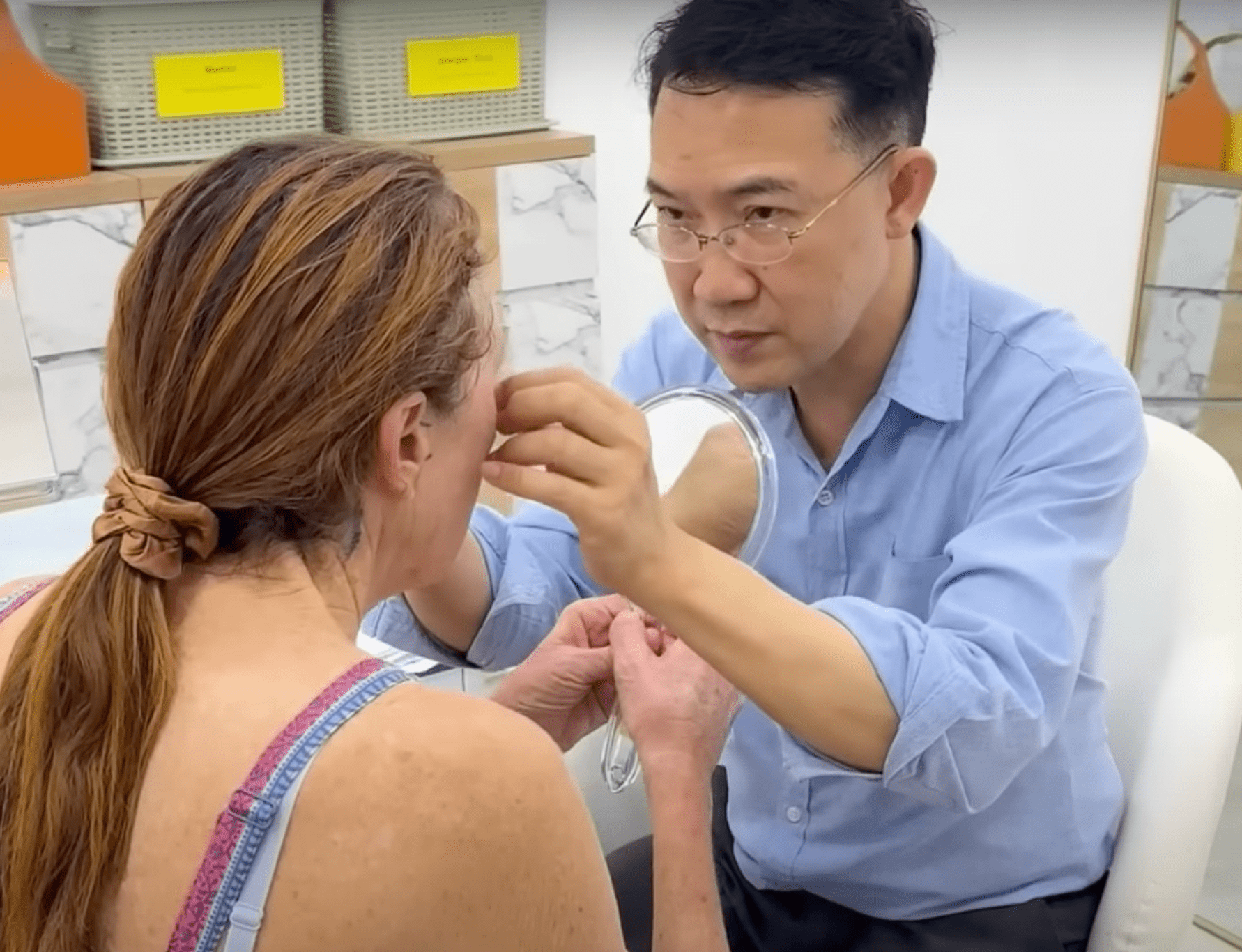
Facelift Recovery: Tips for a Smooth Healing Process
Minimizing Swelling and Discomfort
The initial days following facelift surgery are crucial in setting the stage for a smooth recovery. One of the most effective strategies for minimizing swelling is keeping the head elevated at all times. This positioning helps reduce fluid accumulation around the treatment area, promoting more comfortable healing. Moreover, applying cold compresses intermittently during the initial recovery phase can provide significant relief by minimizing inflammation and numbing discomfort.
Enhancing Recovery Through Nutrition
A balanced diet plays a vital role in facelift recovery, significantly impacting the body's healing process. Consuming nutritious foods rich in lean proteins, vitamins, and antioxidants can bolster your immune system and aid wound healing. Equally important is proper hydration. Drinking adequate amounts of water will help to flush toxins from the body and facilitate cellular recovery. Patients undergoing facelift Thailand procedures should consider incorporating whole grains, fruits, and vegetables, which are staples in any recovery diet.

Optimizing Scar Healing with Silicone Tape
Silicone tape is frequently recommended for its remarkable ability to improve scar appearance after surgery. Its efficacy lies in maintaining skin hydration and creating an optimal healing environment. Regular application can soften and flatten scars over time. Coupled with sunscreen, which shields sensitive skin from UV damage, silicone tape aids in achieving a less noticeable scar, enhancing the overall results of the best Thailand plastic surgery facelifts.
Maintaining Movement and Emotional Well-being
Remaining lightly active promotes circulation, contributing to faster recovery and reducing the risk of complications. Gentle stretching and short walks around the home, as suggested, can help smooth the transition into normal routines. Finally, emotional well-being is just as vital. Engaging in calming activities and securing a supportive environment can motivate a positive mindset, ensuring a successful facelift recovery journey at every stage.
The Role of Silicone Tape and Other Methods in Facelift Recovery
Benefits of Silicone Tape
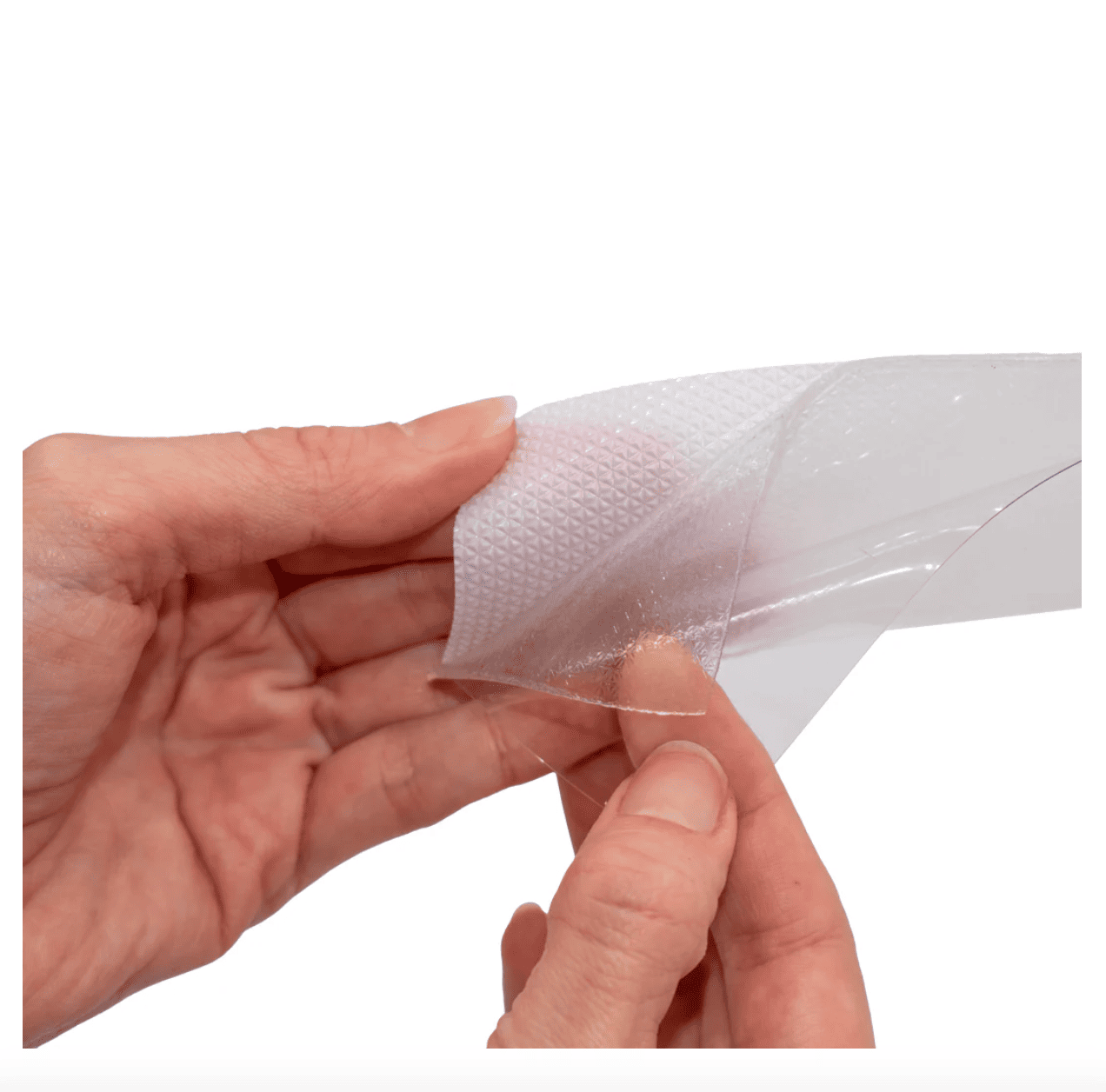
When it comes to effective facelift recovery, silicone tape is a standout tool in minimizing the appearance of scars. Silicone tape's primary advantage is its ability to maintain a moist environment around the incision site, which is crucial for optimal healing. This barrier facilitates proper skin elasticity and regulates collagen production—two factors essential for scar management. In addition, silicone strips are lauded for their ease of use, comfort, and cost-effectiveness, as they can be reused multiple times. To achieve the best results, it's advisable to wait until the surgical incisions have fully healed before applying these strips, ensuring the scar area is clean and dry first. Consistent use, ideally wearing the strip for at least 12 hours daily, is key to success as noted in dermatological studies.
Complementary Methods
In addition to silicone tape, several other practices can aid your facelift recovery process. Following the surgeon's postoperative instructions religiously is paramount. This includes protective measures against sun exposure, as UV rays can exacerbate scar appearance. Moreover, maintaining a balanced diet rich in vitamins like C and E not only supports skin health but also accelerates healing. Scar massage is another effective technique. Gentle massaging around the incision can reduce stiffness and thickness during the proliferative stage, contributing to a softer appearance over time as elaborated in recovery guidelines.
Choosing the best Thailand plastic surgery facility for your facelift ensures access to advanced recovery protocols and experienced medical staff who can guide you in personalizing these methods for your unique healing journey. By leveraging these resources and diligently applying proven technologies like silicone tape, you can enhance your facelift recovery, achieving results that embody your cosmetic desires.
Vitamins and Foods to Enhance Your Facelift Recovery
Nutritional Powerhouses: Fruits and Vegetables
To speed up the healing process after undergoing the best Thailand plastic surgery, incorporating the right nutrients into your diet is essential. Vitamin-rich vegetables and fruits, especially those like berries, carrots, sweet potatoes, and broccoli, are fundamental. These vibrant, nutrient-dense foods are brimming with vitamins A and C, offering your body the necessary tools to bolster energy levels and reduce the likelihood of post-surgery illnesses. Specifically, vitamin C-rich citrus fruits, such as oranges and grapefruits, are vital for collagen production and wound healing, significantly benefiting a deep plane facelift recovery.
Anti-Inflammatory Allies: Protein and Omega-3s
Lean protein sources, including chicken, turkey, and fish, are pivotal in tissue and muscle repair, aiding the facelift recovery process. Simultaneously, foods high in omega-3 fatty acids, like fatty fish (salmon and trout) and seeds, can help reduce inflammation and bruising. Notably, pineapple contains bromelain, an enzyme renowned for diminishing swelling and inflammation post-surgery as emphasized by medical nutrition experts.
Hydration and Digestive Support: Whole Grains and Fiber
Staying hydrated is crucial, as it aids in flushing out anesthesia and medication residues. Complementing this, integrating fiber-rich foods like lentils, apples, and whole grains can combat constipation, a frequent side effect of anesthesia and pain relievers. Whole grains not only provide energy but also enhance digestion, ensuring a smoother recovery after a facelift in Thailand.
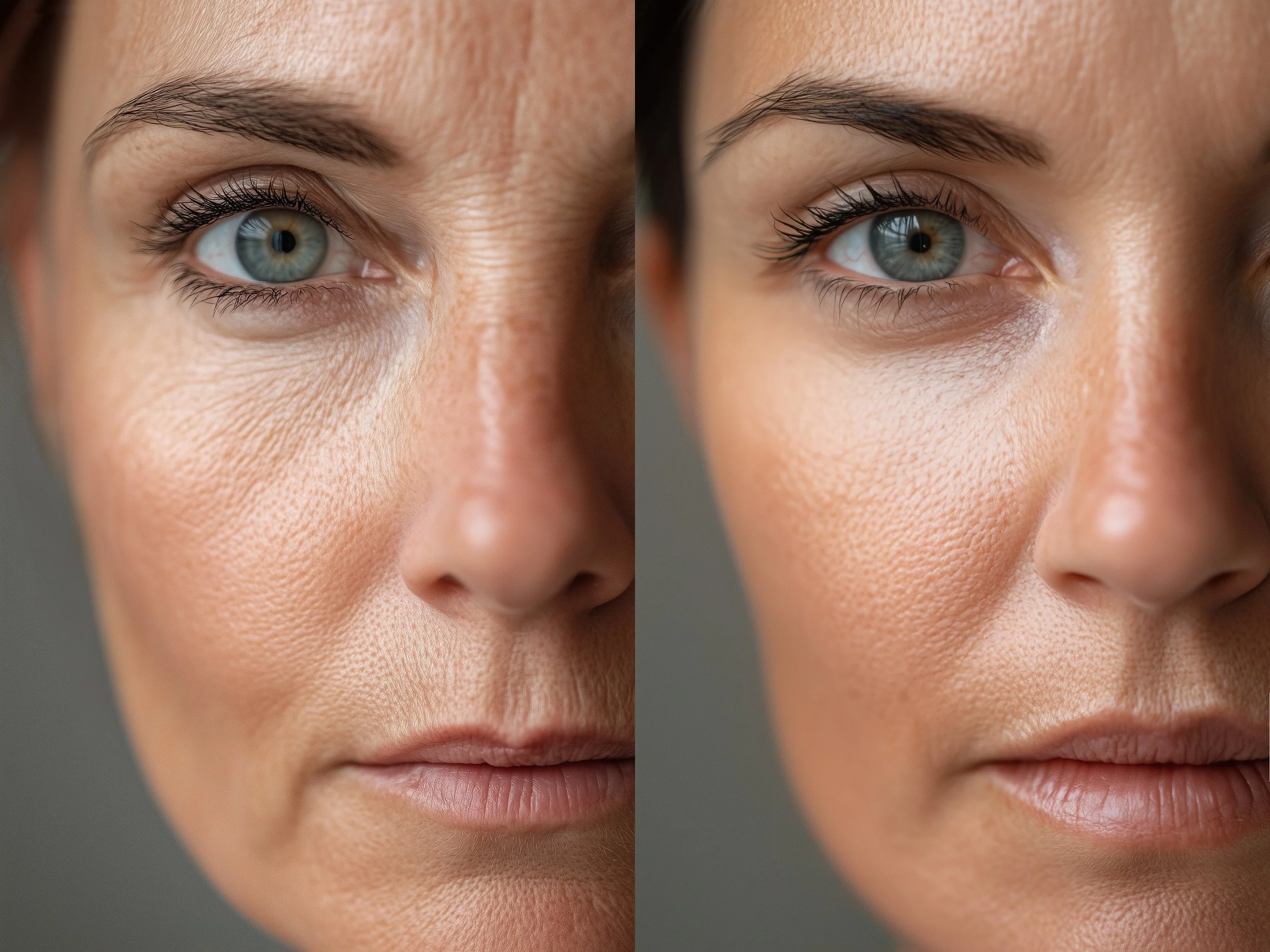
FAQs: Best Thailand Plastic Surgery for Facelift Procedures
What Makes Thailand a Leading Destination for Facelift Surgery?
With unparalleled expertise and affordability, Thailand has emerged as a top destination for facelift procedures. The country's specialists excel in a variety of facelift techniques, such as the deep plane face lift and the mini facelift, ensuring tailored approaches to meet diverse patient needs. You'll find that the best Thailand plastic surgery clinics are recognized for their commitment to natural-looking results, combining advanced methodologies with personalized care according to Rattinan Medical Center.
What Are Typical Recovery Times and Expectations?
The healing process is crucial to the success of your facelift. Generally, you can expect a recovery period ranging from 10 to 15 days, during which swelling, bruising, and temporary numbness may occur. It's essential to follow recovery protocols advised by your clinic to expedite healing and achieve optimal results. Employing recovery aids such as silicone tape can significantly reduce scarring, while a balanced diet rich in vitamins can bolster your body’s healing capabilities as detailed by expert sources.
How Can You Enhance Your Facelift Recovery?
Adopting holistic measures greatly enhances facelift recovery. Consuming foods rich in vitamins C and E can aid tissue regeneration, while adequate hydration is key to maintaining skin elasticity. Consider integrating gentle facial exercises, which may improve circulation and reduce swelling. By following these strategies, alongside professional advice, you can make your facelift recovery smooth and efficient, setting the stage for a rejuvenated appearance with facelift Thailand procedures.
Conclusion
In conclusion, enhancing your facelift recovery with the guidance of our expert team in Thailand is not just about achieving aesthetic goals, but also about embracing a holistic healing journey. By incorporating silicone tape, nourishing vitamins, and a balanced diet rich in antioxidants, we support our clients in achieving optimal results. Our commitment to providing tailored post-operative care ensures that each individual experiences a seamless recovery, allowing them to enjoy the rejuvenated appearance they desire. As we continue to offer world-class cosmetic surgery, we invite you to trust our expertise and embark on a transformative path to renewed confidence.
