
Understanding Belt Lipectomy vs. Tummy Tuck: Key Differences Explained
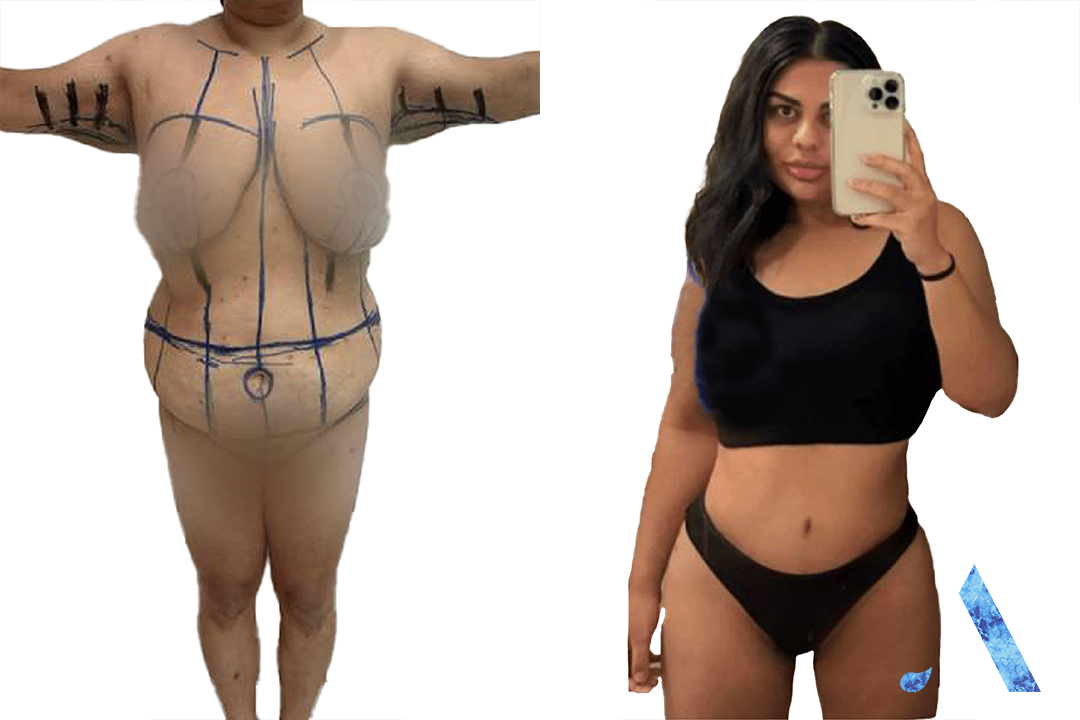
In the realm of cosmetic surgery, understanding the nuances between various procedures can be a daunting task. If you find yourself deliberating between a belt lipectomy and an extended tummy tuck, it is crucial to grasp the key distinctions that set these surgeries apart. Both aim to enhance body contours, yet they address different aesthetic goals and anatomical areas. By exploring the specific features, recovery processes, and potential outcomes of each procedure, you will be better equipped to make an informed decision that aligns with your personal aspirations and needs. Join us as we delve into the essential differences between these transformative surgeries.
What Is a Belt Lipectomy?
Overview of the Procedure
A belt lipectomy, often referred to as a lower body lift, is a comprehensive surgical procedure aimed at reshaping the body's midsection by addressing loose, sagging skin and excess fat. Unlike a traditional tummy tuck, this surgery spans beyond the abdomen to include the hips, lower back, and buttocks. By making a 360-degree incision around the waist, a surgeon can remove redundant tissues and tighten underlying structures, leading to a significant enhancement in body contour as detailed here.
Ideal Candidates and Benefits
Individuals who have achieved significant weight loss, either through lifestyle changes or bariatric surgery, often find themselves with stretched skin unresponsive to diet and exercise. A belt lipectomy is particularly suited for those with severe skin redundancy and aims to restore body symmetry and firmness. This transformation not only enhances physical appearance but can also boost self-confidence and comfort in day-to-day activities as described by experts.
Recovery and Considerations
The recovery from a belt lipectomy can be more demanding compared to a standard tummy tuck due to the extensive nature of the procedure. Patients generally require an initial hospital stay, followed by a careful period of recovery which can last several weeks. Adhering to post-operative care instructions, such as wearing compression garments, is crucial to healing success according to this source. Despite the complexity, the procedure offers profound results for those ready to commit to the recovery process.
What Is a Tummy Tuck (Abdominoplasty)?
Definition and Purpose
A tummy tuck, medically known as abdominoplasty, is a cosmetic surgical procedure aimed at enhancing the abdominal profile. This surgery primarily focuses on removing excess skin and fat between the upper abdomen and pubic region, resulting in a firmer and flatter midsection. An essential aspect of the procedure includes tightening underlying abdominal muscles, particularly beneficial for individuals with weakened muscles due to pregnancy or moderate weight loss. The ultimate goal is to achieve a more toned aesthetic appearance.
The Procedure
The procedure involves a horizontal incision made between the navel and pubic area, and occasionally a second incision around the navel to address additional concerns. Excess skin is excised, and the remaining skin is pulled taut. In some cases, a new opening for the belly button may be created, enhancing the overall symmetry and appeal of the abdomen. Unlike a belt lipectomy, which addresses the entire midsection, a tummy tuck is more focused on the abdominal area as noted by North Raleigh Plastic Surgery.
Ideal Candidates
The procedure is optimal for those in good health who have experienced moderate weight loss or pregnancy. Ideal candidates are often individuals who do not have extensive skin looseness but seek improvement in tightening the abdominal area as detailed by AMG Plastic Surgery. By addressing mild to moderate sagging and muscle laxity, abdominoplasty can significantly boost confidence and physical appearance.
What Is the Difference Between a Tummy Tuck and a Belt Lipectomy?
Procedure Focus and Scope
The primary distinction between a tummy tuck and a belt lipectomy lies in the scope of body areas they address. A tummy tuck, or abdominoplasty, is a more focused procedure primarily targeting the abdominal region. It involves the removal of excess skin and fat, along with the tightening of the abdominal muscles to create a flatter, more toned appearance. This procedure is particularly advantageous for individuals who experience localized skin laxity, which is commonly seen after pregnancy or moderate weight loss as highlighted by North Raleigh Plastic Surgery.
Comprehensive Contouring
In contrast, a belt lipectomy, often referred to as a lower body lift, caters to the needs of patients with significant body changes. It extends beyond the abdomen, providing a 360-degree contour of the lower body by targeting the lower abdomen, flanks, back, and buttocks. This extensive procedure not only removes excess skin and fat but also reconstructs underlying muscles for a more holistic transformation. It is particularly beneficial for those who have experienced massive weight loss, commonly from bariatric surgery, resulting in widespread skin laxity as noted by AMG Plastic Surgery.
Recovery and Risks
Recovery times and risk profiles vary significantly between these procedures. A tummy tuck typically involves a shorter, less complex recovery, lasting approximately 2-3 weeks, with a relatively lower risk of complications. On the other hand, a belt lipectomy requires a more extended recovery period of 1-2 months, with heightened risks of complications such as seroma formation and changes in sensation around incision sites. Patients should thoroughly evaluate these considerations, ideally under the guidance of a board-certified plastic surgeon, to determine the most suitable option for their body contouring needs as detailed by LSU Plastic Surgery.
Why Consider a Belt Lipectomy?
Comprehensive Contouring
A belt lipectomy, also known as a lower body lift, offers a more extensive approach to body contouring than a standard tummy tuck. While abdominoplasty primarily targets the abdominal region, a belt lipectomy addresses excess skin and fat around the lower abdomen, hips, thighs, and back as noted by North Raleigh Plastic Surgery. This procedure is particularly appealing if you are seeking a 360-degree transformation, creating a firmer and more youthful silhouette.
Ideal for Post-Weight Loss
Significant weight loss often results in redundant, sagging skin that cannot be managed through diet and exercise alone. A belt lipectomy is typically recommended for those who have achieved their target weight after substantial weight reduction efforts, offering a solution to enhance body symmetry and improve comfort in everyday movements. Such individuals often experience improved mobility and a boost in self-esteem following the procedure based on insights from Azurite.
Enhanced Results and Confidence
Through the removal of drooping skin and the tightening of underlying muscles, a belt lipectomy leads to significant improvements in body contour, providing changes that can dramatically enhance your appearance and confidence. This procedure is particularly suited for patients with moderate to severe excess skin post massive weight loss, enabling a wider range of clothing choices and more freedom in activities as described by AMG Plastic Surgery. For those seeking transformative results across various body areas, the belt lipectomy presents a compelling choice.
How Is a Belt Lipectomy Performed?
Step-by-Step Process
A belt lipectomy, also known as a lower body lift, is a comprehensive surgical procedure aimed at contouring the midsection, including the abdomen, flanks, and buttocks. The surgery initiates with strategic incisions around the waistline, forming a 360-degree approach to address skin laxity across the torso. This procedure is particularly effective for patients who have experienced massive weight loss, leading to significant loose skin and tissue as detailed by North Raleigh Plastic Surgery.
Surgical Techniques and Goals
The belt lipectomy involves removing excess skin and fat from the lower abdomen, extending circumferentially around the back and over the upper buttocks. The remaining skin is meticulously stretched and secured to create a smoother, more toned appearance. In some cases, liposuction may be employed to assist in refining stubborn areas of fat, ensuring a balanced and sculpted look as explained by AMG Plastic Surgery. Ultimately, the procedure aims to promote a youthful silhouette, addressing not only the abdominal area but the entire lower body for holistic contouring.
What Are the Risks Associated with Belt Lipectomy Surgery?
Understanding the Risks
Understanding the risks associated with belt lipectomy surgery is crucial for anyone considering this procedure. Like any significant surgical intervention, it carries a variety of potential complications. Anesthesia risks are inherent, and surgical procedures can lead to issues such as problems with wound healing and infection. Other potential risks include heavy bleeding, blood clots in the legs or lungs, and nerve damage. These complications can be more prevalent among patients who have undergone significant weight loss, due to the increased stress on the body as noted by Johns Hopkins Medicine.
Factors Influencing Risk Levels
Several factors can influence the likelihood of complications during a belt lipectomy. These include the patient's age, the amount of weight previously lost, and any existing health conditions, like high blood pressure or diabetes. Furthermore, factors such as excessive scar tissue formation, asymmetry, or prolonged swelling may arise, requiring careful post-operative management from both the surgeon and patient to mitigate any risks as outlined by the Cleveland Clinic.
Mitigating Potential Risks
Proactive steps can significantly reduce these risks, ensuring a smoother recovery process. It is advisable for patients to reach a stable weight and plan for a healthy lifestyle well in advance of the procedure. Additionally, adherence to post-surgical instructions, including dietary modifications and activity restrictions, can aid in smoother healing, decreasing the risk of complications like seromas or skin necrosis. Patients are encouraged to maintain open communication with their healthcare provider, reporting any unusual symptoms or signs of complications promptly, such as chest pain or unusual wound changes. By doing so, the belt lipectomy procedure can be as safe and effective as possible, leading to satisfactory outcomes for individuals aiming for improved body contouring.
How Long Does a Belt Lipectomy Last?
Longevity of Results
A belt lipectomy, often referred to as a lower body lift, offers dramatic and long-lasting results. This procedure is especially beneficial for those who have tackled significant weight loss, confronted with sagging skin that defies dietary and exercise efforts. Patients can generally expect the transformation to endure for several years. Crucially, the durability of these results is largely contingent upon maintaining a stable weight and committing to a healthy lifestyle, as documented by Cleveland Clinic.
Factors Affecting Longevity
The success and longevity of a belt lipectomy hinge on a variety of personal factors. These include not only the patient's ability to uphold a steady weight but also their age and overall health condition. As noted by North Raleigh Plastic Surgery, older patients may experience different outcomes due to natural skin elasticity and muscle tone changes over time. Hence, significant weight fluctuations post-surgery might necessitate further procedures to preserve the sculpted appearance.
Frequently Asked Questions About Belt Lipectomy
What Is a Belt Lipectomy?
A belt lipectomy is a comprehensive body contouring surgery that removes excess skin and fat from the abdomen, hips, thighs, and buttocks, commonly resulting from significant weight loss. Unlike a tummy tuck, which targets only the abdominal area, a belt lipectomy addresses the entire midsection, producing a toned and symmetrical appearance. Ideal candidates are those committed to maintaining a stable weight and avoiding lifestyle factors, like smoking or certain medications, that could compromise healing as noted by Medstar Health.
What Are the Benefits and Risks?
A belt lipectomy can improve body contour, reduce skin irritation, and enhance self-esteem. However, it carries risks such as infection, poor wound healing, and potential revision surgeries. Proper pre-operative preparation can mitigate some risks according to Johns Hopkins Medicine. Patients often need overnight hospital stays and follow rigorous post-operative care instructions, including wearing compression garments to manage swelling.
How Does a Belt Lipectomy Compare to a Tummy Tuck?
While both procedures improve body contour, a belt lipectomy offers more extensive tissue removal and muscle tightening. It is suitable for individuals requiring significant body reshaping. On the other hand, a tummy tuck—also termed abdominoplasty—focuses solely on the abdominal area, making it ideal for moderate excess skin. The choices depend on your specific goals and needs.
Conclusion
In navigating the intricate world of body contouring, understanding the distinctions between a belt lipectomy and a tummy tuck is paramount. As you contemplate these transformative procedures, recognising their unique benefits and suitable applications empowers you to make an informed decision that aligns with your aesthetic goals and health considerations. Whether you seek comprehensive circumferential results or targeted abdominal refinement, consulting with a qualified surgeon will ensure tailored advice and optimal outcomes. Armed with this knowledge, you are better positioned to embark on your surgical journey with confidence, poised to embrace a rejuvenated silhouette that reflects your personal aspirations.
