
How Long Does a Facelift Last? Understanding the Results
In the realm of cosmetic rejuvenation, the allure of a facelift lies not only in its transformative potential but also in the enduring nature of its results. As we embark on this exploration of the longevity of facelift procedures, our focus turns to understanding the nuances that contribute to lasting outcomes. This discussion is particularly pertinent for those considering a journey to Thailand, where Azurite Medical and Wellness offers an exceptional blend of expertise and innovation. Together, we will delve into the factors influencing facelift durability, providing insights for individuals contemplating this life-enhancing procedure overseas.
What Is a Facelift? Understanding the Basics
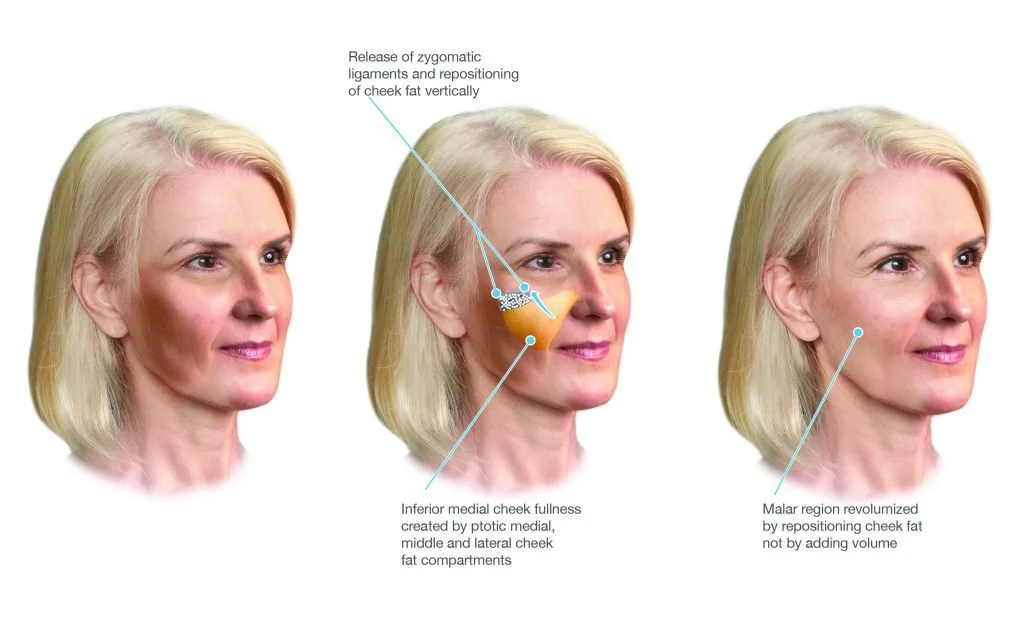
An Overview of the Facelift Procedure
Facelifts aim to rejuvenate the face by addressing sagging skin, wrinkles, and volume loss, ultimately restoring a more youthful appearance. This surgical procedure involves making incisions around the hairline and ears, allowing the surgeon to reposition or remove underlying facial tissues. In some cases, facelifts are combined with other enhancement procedures, such as eyelid surgery or a neck lift, to achieve a comprehensive transformation.
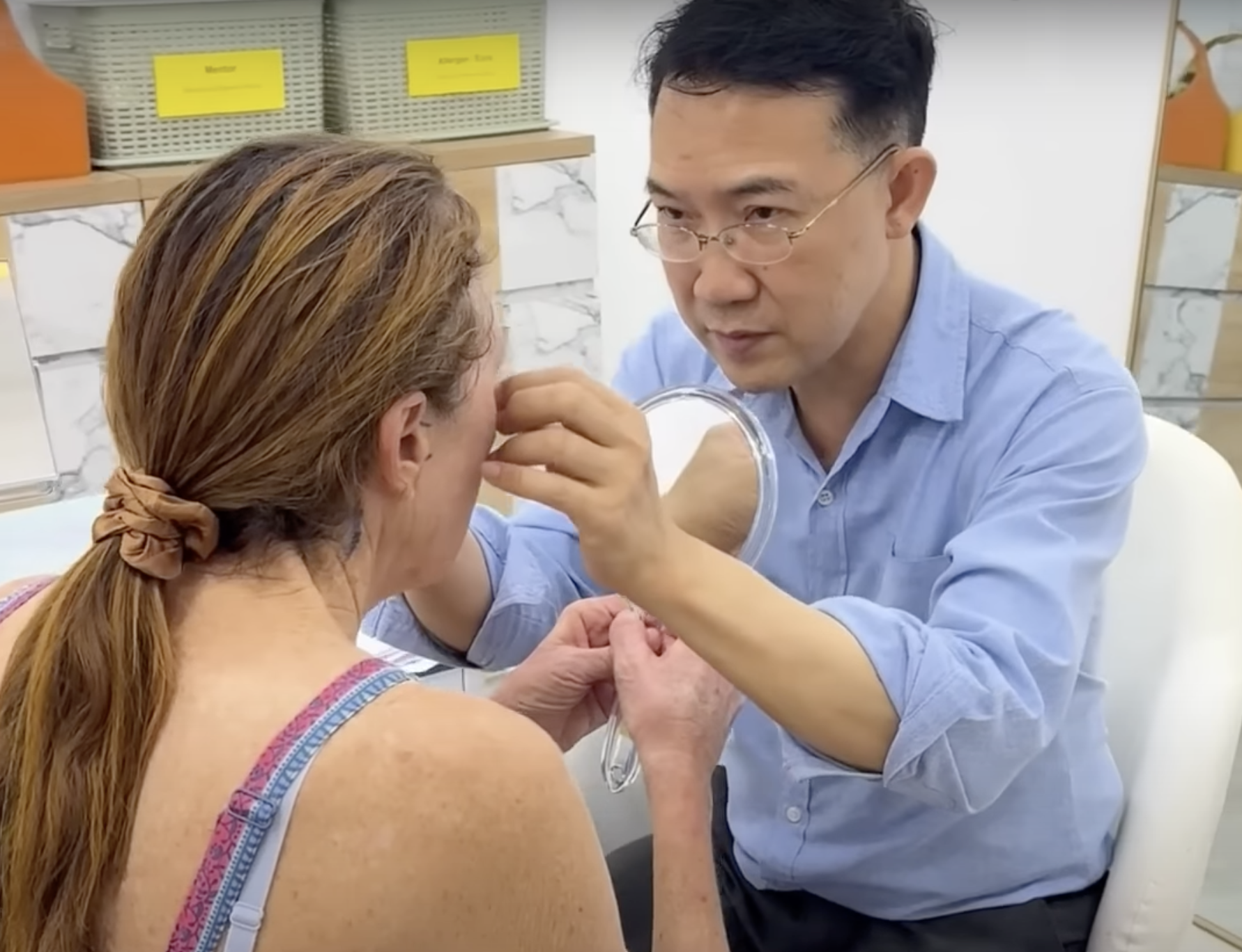
Types of Facelifts and Candidacy
Facelifts have evolved to offer various techniques tailored to individual needs. The traditional facelift, which addresses significant aging signs, offers long-lasting results that generally endure for 10-15 years. Conversely, the minimally invasive ponytail facelift provides a subtle lift for individuals experiencing early to moderate aging signs. This option is particularly appealing for those in their 40s to 60s with good skin elasticity, as it involves quicker recovery and natural-looking outcomes as discussed by Azurite.
Benefits and Recovery of a Facelift
Besides its capacity to rejuvenate, a facelift provides lasting benefits, often incorporating fat transfer techniques to address volume loss naturally. Post-surgery, individuals can expect a recovery period of approximately 4-6 weeks, with common symptoms such as swelling and bruising. Nevertheless, the invigorating results, when coupled with proper facelift recovery practices, make this procedure a compelling choice for those desiring a refreshed aesthetic as outlined by Azurite.
Facelift Candidacy: Who Is the Ideal Candidate?
Identifying the ideal candidate for a facelift procedure involves a thorough understanding of the patient's unique needs and expectations. At Azurite Medical and Wellness, we believe in adopting a holistic and trustworthy approach to surgery, ensuring our clients are informed and confident about their choices.
Age and Skin Condition
Typically, individuals aged between 45 and 65 are most suitable for a facelift, particularly when they display moderate to severe signs of facial ageing. This includes visible sagging of the skin in the mid-to-lower face, pronounced nasolabial folds, and defined marionette lines. However, age is not the sole determinant. The quality of the skin, including its elasticity and tone, plays a crucial role in determining candidacy for the full facelift.
Health and Lifestyle Considerations

Candidates should be in good overall health, free from medical conditions that could impede recovery. Non-smokers are favoured, as smoking can significantly hinder wound healing. Prospective patients are encouraged to adhere to a healthy lifestyle and manage realistic expectations regarding facelift recovery and results.
Personal Goals and Expectations
For those contemplating facelift surgery, it's vital to consult with board-certified surgeons to discuss personal aesthetic goals. Understanding the nuances of each facelift type—from a full facelift to a mini facelift—can help align expectations with achievable facelift results while ensuring satisfaction and longevity.
How Long Do Facelift Results Last? Exploring Longevity
The longevity of facelift results is a topic of great interest to those considering this transformative procedure. Generally, facelift results can last between 5 to 10 years, though the duration may extend further based on a variety of factors. Several key elements determine how long one can enjoy a rejuvenated appearance.
Impact of Lifestyle Choices
A patient's lifestyle significantly influences the longevity of facelift results. Embracing healthy habits, such as maintaining a balanced diet rich in antioxidants, getting regular exercise, and protecting the skin from sun damage, can greatly extend the benefits of a facelift procedure. Sun protection is essential, as UV exposure can accelerate skin aging by breaking down collagen and elastin. Quitting smoking and avoiding secondhand smoke also contribute positively to skin health, as they impair healing and degrade skin quality as detailed by AdmireMD Plastic Surgery + Skin Clinic.
The Role of Surgical Technique and Aftercare
The surgical technique used, coupled with the surgeon's expertise, plays a pivotal role in the results' durability. A deep plane facelift, which targets deeper facial layers, can provide more lasting results compared to traditional methods, with benefits lasting 12-15 years. Following post-operative care instructions meticulously, including regular follow-up visits, further optimizes facelift recovery and prolongs facelift results. Supporting these surgical outcomes with non-surgical treatments like fillers and skin care regimens can help maintain the youthful appearance achieved per insights from Cincy Facial Plastics.
What to Expect During Facelift Recovery
Initial Recovery Phase
The initial phase of facelift recovery spans approximately the first week, a crucial period dedicated to rest and careful management. During the first two days, patients often experience significant swelling, tightness, and bruising, which peak around days 2-3. It’s pivotal to prioritise rest, keep the head elevated, and adhere to prescribed pain management to alleviate discomfort. Friends or family support is valuable in assisting with daily routines as the body begins to heal according to Dr. Fairchild's insights. Following the surgeon’s instructions for incision care is vital to prevent complications and ensure optimal facelift results.
Weeks Two and Three
By the start of the second week, visible signs of recovery emerge as swelling and bruising begin to subside. Stitches are typically removed by this stage, marking a significant milestone. Although patients start feeling more energised and can resume light activities like gentle walking or desk work, it remains essential to avoid strenuous exercise or activities that elevate blood pressure as discussed by Dr. Bray.
Re-entering Routine Life
As recovery progresses into weeks three and four, most visible surgical signs diminish substantially, allowing individuals to re-enter social and work environments with confidence. The gradual resumption of routine is advised, and makeup can help conceal any lingering discoloration. Patients usually find themselves enjoying their rejuvenated appearance, though some subtle swelling or tightness might linger. As healing continues, patients start focusing on maintaining their results, which a holistic approach of hydration, nutrition, and a healthy lifestyle supports, reflecting the philosophy embraced by Azurite Medical and wellness services offered in Thailand.
Maintenance Tips for Prolonging Your Facelift Results
Follow Post-Operative Instructions
Adhering to your surgeon's post-operative guidelines is paramount in ensuring the longevity of your facelift results. It’s essential to follow wound care protocols and activity restrictions diligently. Using prescribed medications as directed and attending all follow-up appointments offer a structured path to recovery, allowing for early intervention should any concerns arise. Patients are recommended to be patient with the healing process since full results might take several months to become evident after a facelift procedure.
Implement a Comprehensive Skincare Routine
Protecting your skin from sun damage is crucial. Regular use of sunscreen, coupled with protective clothing, can help preserve the elasticity of your skin, thus maintaining the youthful appearance achieved through your facelift. Additionally, a holistic skincare regimen incorporating moisturisers, anti-ageing serums, and gentle cleansers can support skin health and radiance. Steer clear of harsh chemicals and abrasive products, especially in the initial recovery phase, to prevent irritation and protect sensitive areas.
Maintain a Healthy Lifestyle
A balanced diet rich in nutrients coupled with regular physical activity is vital to maintain facelift recovery results. Avoiding lifestyle habits such as smoking and excessive alcohol consumption can also significantly impact the longevity of your facelift effects. Preventing significant weight fluctuations is essential, as such changes can affect facial contours, potentially diminishing the overall results. Moreover, engaging in regular exercise not only boosts overall well-being but can also enhance muscle tone and support skin elasticity and youthfulness.
How to Choose the Right Facelift Procedure for You
Consider Your Specific Facial Concerns
When selecting a facelift procedure, it is essential to evaluate the specific signs of aging you wish to address. Whether it's sagging skin, deep wrinkles, or volume loss, each individual's facial structure and skin quality will necessitate a tailored approach. Traditional facelift surgeries offer a more comprehensive solution for moderate to advanced aging, addressing multiple areas like jowls and neck skin as cited by the American Board of Cosmetic Surgery. Alternatively, a mini facelift might be more appropriate for addressing early signs of aging with reduced downtime.
Evaluate the Expertise of the Surgeon
The experience and qualifications of the surgeon are paramount in choosing the right facelift procedure. Patients should prioritise surgeons who are board-certified and have a proven track record in facial procedures. Reviewing before-and-after photos and patient testimonials can provide insight into the surgeon's aesthetic style and success rate according to Capek Plastic Surgery.
Discuss Recovery Time and Longevity
Understanding the recovery timeline and expected longevity of facelift results is crucial. Procedures such as the deep plane facelift provide significant lifting effects with longer-lasting results but may require extended recovery periods as mentioned by Shapiro Plastic Surgery. Discussing these factors with a well-versed surgeon will ensure that the chosen facelift aligns with your lifestyle and expectations.
FAQs: Common Questions About Facelift Surgery and Results
How Long Do Facelift Results Last?
The longevity of facelift results is a primary concern for many considering this transformative procedure. Typically, a full facelift can rejuvenate one's appearance for 7 to 15 years. However, the durability of the facelift results depends on several factors, including the patient's age, skin quality, lifestyle habits, and the surgical technique employed. For those opting for a facelift in Bangkok, the expertise of surgeons, such as those at Azurite Medical & Wellness, ensures a blend of quality and cost-efficiency. To maintain the facelift's revitalising effects, patients should adhere to post-operative care, such as following skincare routines and avoiding sun exposure as discussed on Azurite's blog.
What Are the Typical Results and Recovery Like?
Facelift procedure outcomes are designed to restore a youthful appearance by addressing sagging skin, reducing wrinkles, and enhancing facial contours. Results can significantly vary based on individual cases, yet a well-executed facelift is known to make patients appear 5 to 10 years younger. The recovery from a facelift usually takes between 2 to 4 weeks, during which initial swelling and bruising subside. Patients in Bangkok, guided by Azurite Medical's protocols, often experience a comprehensive aftercare service that supports their journey back to normal activities, often resuming work within three weeks according to Azurite's insights.
What Are the Potential Risks and Considerations?
As with any surgery, facelift procedures come with potential risks and considerations. Common concerns include infection, bleeding, or nerve damage, although these are significantly reduced under the care of an experienced, board-certified plastic surgeon. Consulting with a qualified professional, such as those affiliated with Azurite, ensures these risks are managed with attention to detail and patient safety. It's essential to engage in pre-operative discussions to set realistic expectations and understand the full spectrum of outcomes, thereby tailoring the experience to each patient’s needs as outlined by Azurite.
Conclusion
In conclusion, the longevity of a facelift largely depends on individual factors and proper maintenance. While the results can last several years, understanding the nuances of post-operative care is essential. At Azurite Medical and Wellness, we are committed to offering unparalleled expertise and state-of-the-art facilities for those considering a facelift in Thailand. Our holistic approach ensures that every patient receives tailored guidance to maximise their results and maintain a youthful appearance. By choosing a procedure with us, individuals can confidently embrace the transformative journey, knowing they are in capable hands, dedicated to their lasting satisfaction and well-being.
