
360 Belt Lipectomy: What to Expect Before and After
If you're researching a 360 belt lipectomy, you're probably past the "is this a real thing?" stage. You want to know what surgery actually involves, how long recovery takes, what it costs in Australia, and whether a Thailand-based pathway is worth considering. This article answers those questions directly, so you can walk into a consultation prepared.
This information is general in nature and is not medical advice. Every person's suitability for treatment is different , a consultation with a qualified practitioner is required before any procedure.
All procedures carry risks. The potential benefits, risks, and alternatives should be discussed with your treating practitioner before any decision is made.
What is a 360 belt lipectomy?
A 360 belt lipectomy is a circumferential body contouring procedure that removes excess skin and fat from the entire lower trunk, working all the way around the body rather than targeting just the front. The "360" refers to the full circle of the incision, which typically runs around the waistline like a belt, hence the name.
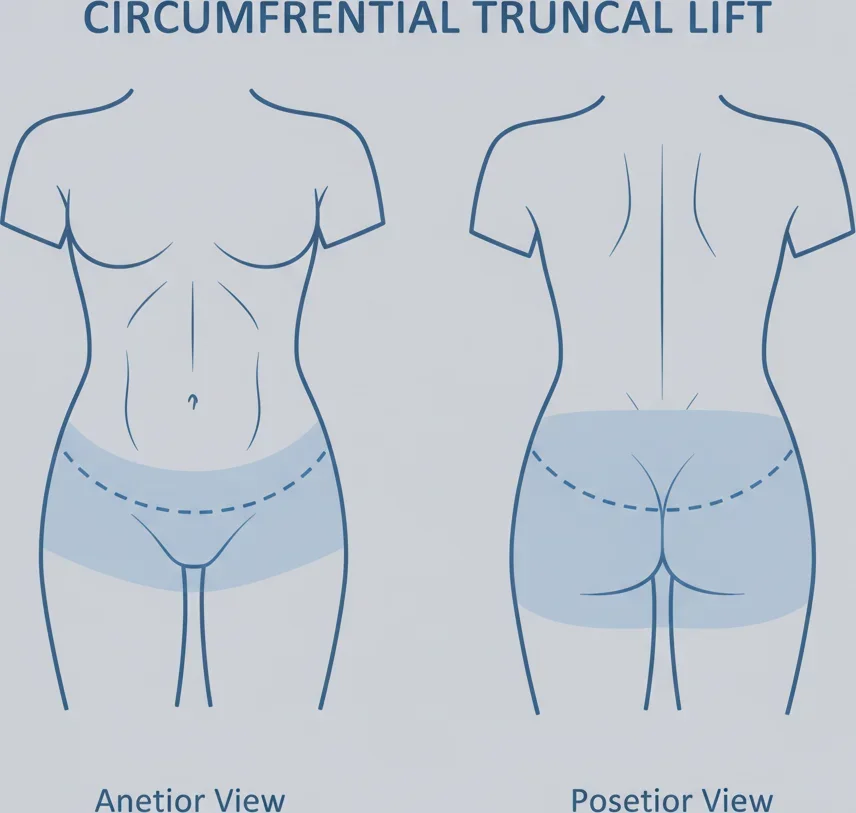
Here's where it differs meaningfully from a standard tummy tuck (abdominoplasty). A tummy tuck addresses the front of the abdomen, tightening the abdominal muscles and removing a panel of skin below the navel. A 360 belt lipectomy extends that work to include the flanks, lower back, and buttocks in a single procedure. Surgeons may also lift the outer thighs and reposition the buttocks as part of the same operation, which is why you'll sometimes see it called a lower body lift.
The procedure is most commonly sought by people who have lost a large amount of weight, either through bariatric surgery or sustained lifestyle change, and are left with significant skin laxity around the lower body. Standard exercise and diet can't address loose skin once the elasticity is gone. Surgery is the only clinical option for removing it.
Is belt lipectomy major surgery?
Yes. A 360 belt lipectomy is a significant surgical procedure performed under general anaesthesia. According to the Cleveland Clinic, a lower body lift typically takes between two and five hours in the operating theatre, depending on the extent of tissue removal and whether additional procedures are combined.
You'll spend at least one to three nights in hospital after surgery. Surgical drains are placed to remove fluid from the treated areas and are usually in place for one to two weeks post-operatively. The incision runs the full circumference of the lower trunk, so wound care and monitoring are more involved than with smaller procedures.
None of this is meant to discourage you. Understanding the scale of the procedure helps you plan realistically, choose the right surgical team, and set aside adequate recovery time. Patients who go in with clear expectations manage recovery better than those who underestimate what's involved.
Who is a good candidate for a 360 belt lipectomy?
The most common candidate is someone who has lost a substantial amount of weight and is now dealing with excess, inelastic skin around the lower body. This includes people who have had bariatric procedures like gastric sleeve or gastric bypass surgery, as well as those who have lost significant weight through diet and exercise over time.

Johns Hopkins Medicine notes that good candidates for belt lipectomy are generally those who have maintained a stable weight for at least six to twelve months before surgery. Weight fluctuations after the procedure can affect results, so stability matters both before and after.
Other factors that practitioners typically assess include:
Skin laxity around the abdomen, flanks, lower back, and outer thighs
Overall health and the absence of conditions that would significantly increase surgical risk
Non-smoking status, or willingness to stop smoking well in advance of and after surgery
Realistic expectations about what the procedure can and cannot achieve
A BMI that falls within a range the surgical team considers appropriate for the planned procedure
Cardiovascular health, wound healing capacity, and anaesthetic risk profile
Age is less of a hard cutoff than overall health. Patients in their 40s, 50s, and 60s can be suitable candidates when their health markers are acceptable.
A 360 belt lipectomy is not a weight-loss procedure. It's a body contouring procedure for people who have already done the weight-loss work and are managing the skin changes that follow.
How painful is a belt lipectomy and what does recovery look like?
Pain levels vary between individuals, but most patients describe the first few days as the most uncomfortable, with discomfort shifting to tightness and soreness rather than acute pain as the days progress. Your surgical team will prescribe pain relief appropriate to your situation, and you should discuss this in detail before surgery.
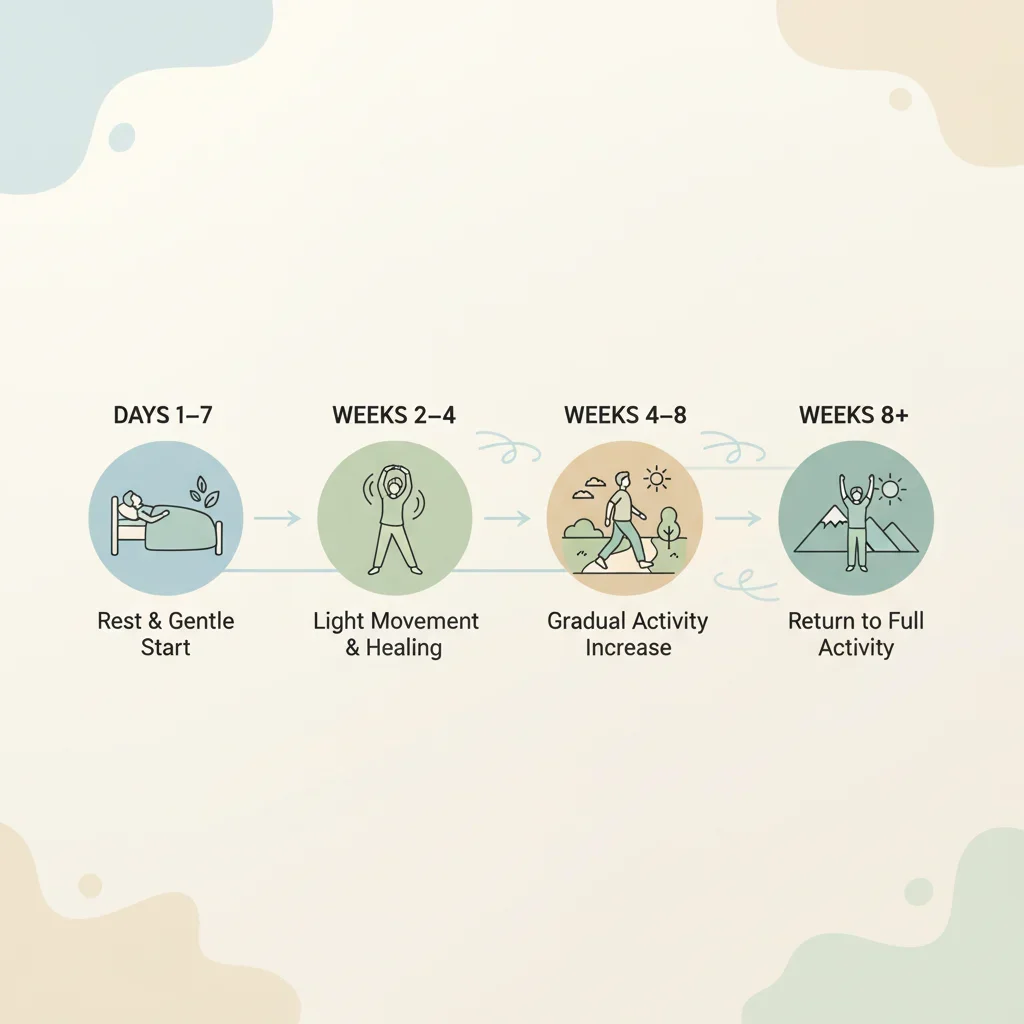
A general recovery timeline looks something like this:
Days 1 to 7: You'll be in hospital for the first day or more, then discharged with drains in place. Movement is limited and you'll need help at home. Most patients are walking short distances within a few days, as early gentle movement supports circulation.
Weeks 2 to 4: Drains are typically removed in this window. Swelling is significant and will continue to change your appearance for months. You'll be wearing a compression garment, which helps manage swelling and supports the healing tissues. Returning to work at this stage is unlikely unless your role is entirely sedentary and your setup is flexible.
Weeks 4 to 8: Light activity increases. Many patients can return to desk-based work around the four to six week mark, though this depends on individual healing and the specifics of surgery. Driving is usually restricted until you can react quickly and comfortably without pain.
Months 3 to 6: Swelling continues to resolve. Scars begin to mature and fade, though this process takes twelve months or longer. The full result of the procedure is generally not visible until at least six months post-operatively.
You'll need to avoid heavy lifting and strenuous exercise for at least six to eight weeks. Recovery from a 360 belt lipectomy is a genuine commitment. Planning for it, including arranging help at home and time off work, is part of preparing responsibly for surgery.
How much does a belt lipectomy cost in Australia?
Belt lipectomy cost in Australia varies considerably depending on the surgeon, the facility, the extent of the procedure, and your geographic location. Broadly, you can expect the total cost in Australia to range from approximately AUD $20,000 to AUD $40,000 or more when you include surgeon fees, anaesthetist fees, hospital or facility costs, and post-operative care.
Medicare may provide a rebate if your procedure meets specific clinical criteria, particularly if the skin excess is causing documented functional problems such as recurrent skin infections or hygiene difficulties. Private health insurance may contribute to hospital costs if you hold an appropriate level of cover and the procedure is deemed medically necessary. Neither Medicare nor private health insurance typically covers the full cost, and the gap can still be substantial. Contact your fund directly before making any assumptions.
For many Australians, the cost of 360 belt lipectomy surgery in Thailand is a significant factor in their decision-making. Comparable procedures performed by qualified surgeons in accredited Thai hospitals can cost considerably less, even when you factor in flights, accommodation, and aftercare. You can find a detailed breakdown of the cost differences in our guide to real cost comparisons for cosmetic surgery in Thailand vs Australia.
If you're considering the Thailand pathway, understanding how to assess surgical safety and accreditation standards matters just as much. Our article on what you need to know about plastic surgery safety in Thailand covers this in practical detail.
Book a free consultation to get a clear picture of what the procedure would involve for your specific situation and what the costs would look like.
Risks, side effects, and realistic outcomes
A 360 belt lipectomy carries the risks associated with any major surgery, as well as some specific to the procedure itself. These include:
Infection at the incision sites
Wound healing complications, including delayed healing or wound separation
Seroma (fluid accumulation under the skin), which is one of the more common post-operative issues
Haematoma (blood pooling)
Nerve changes, including temporary or, in rare cases, longer-term altered sensation in the treated areas
Deep vein thrombosis (DVT) and pulmonary embolism, which are serious risks with any longer surgery
Scarring, which is permanent and runs the full circumference of the lower trunk
Asymmetry or contour irregularities
Most patients who are well-selected, well-prepared, and treated by experienced practitioners in appropriate facilities achieve meaningful improvements in body contour and a real reduction in the functional and physical difficulties associated with significant skin excess. Results do vary between individuals depending on skin quality, healing response, weight stability after surgery, and other factors.
Scars from a 360 belt lipectomy are permanent. They're typically placed to sit behind underwear or swimwear, but they don't disappear. Discuss scar placement and your own healing history with your surgeon before the procedure.
Results vary between individuals. Photographs and case descriptions are for illustrative purposes and are not a guarantee of outcome.
What to ask at your consultation
A consultation and thorough medical assessment are required before any decision about surgery is made. Coming prepared with specific questions helps you use that time well and gives you the information you need to make an informed choice.
Questions worth raising include:
What qualifications and registrations do you hold, and what is your specific experience with circumferential lower body lift procedures?
How many 360 belt lipectomy procedures have you performed, and what does your complication rate look like?
What surgical technique do you use, and why is it appropriate for my anatomy?
What does the full cost include, and what costs might arise post-operatively?
What facility will the surgery be performed in, and what accreditation does it hold?
What anaesthetic approach will be used, and who will be administering it?
What does your aftercare protocol look like, and how are complications managed if they arise?
What are the realistic outcomes for someone with my body type and skin quality?
What happens if I'm not happy with the result?
There are no foolish questions in a surgical consultation. A practitioner who discourages questions or gives vague answers is a flag worth noting.
Next steps: planning your 360 belt lipectomy
The path from research to surgery involves several stages, and it's worth mapping them out clearly. You start with information gathering, which is what you're doing now. Then comes a consultation with a qualified practitioner who can assess your specific anatomy, health history, and goals. From there, if surgery is appropriate, you'll move into pre-operative preparation, which includes medical clearances, lifestyle adjustments, and logistical planning.
For Australians considering a Thailand-based pathway, Azurite works with patients at each of these stages, from initial questions through to aftercare coordination. The goal is to make sure you're making a well-informed decision with full visibility of the process, the costs, and the clinical team involved.
Recovery planning is part of the process too. Arranging support at home, organising time away from work, and understanding the follow-up schedule are all things to sort before you commit to a surgery date. Get these details locked in early.
If you're ready to move from research to a real conversation, talk to our team through a free consultation. You'll get honest answers about whether this procedure is likely to be appropriate for you, what the process looks like, and what you can realistically expect.
